
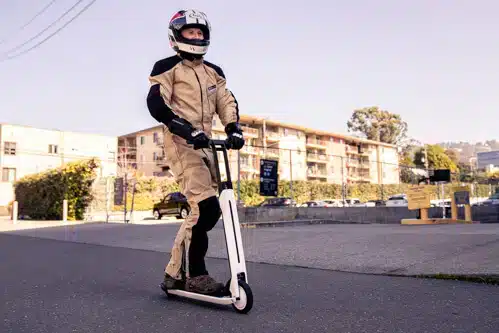
Riding an electric scooter is often easier than riding a bicycle, which is why many people can learn the basics quickly. Whether you are using a simple commuter scooter or one of the more powerful all terrain electric scooters, understanding the fundamentals will make your rides safer and more enjoyable. Electric scooters are built to be easy to use, but beginners should still take time to learn proper riding habits before heading out on busy streets or longer trips. Knowing how to prepare for a ride, use the controls correctly, and stay balanced will help you build confidence and avoid common mistakes.
Electric scooters are becoming more popular for commuting, running errands, and enjoying short outdoor trips. They are compact, efficient, and easy to store compared to many other forms of transportation. However, even though they are simple to ride, safety and preparation should always come first. Taking a few minutes to check your gear and learn your scooter’s features can make a big difference in how comfortable and safe your ride feels.
Wear the Right Safety Gear
Before stepping onto your scooter, wearing the proper safety gear is very important. A helmet should always be your first priority, no matter how short your ride is or how slow you plan to travel. Accidents can happen at any speed, and a helmet greatly reduces the risk of serious head injuries.
A standard bike helmet that meets safety guidelines is usually enough for casual riders. However, if you plan to ride faster scooters or travel on busy streets, you may want to add extra protection. Many riders choose to wear long pants, gloves, and a long-sleeved shirt to help protect their skin in case of a fall. Closed-toe shoes are also recommended because they provide better grip and foot protection while riding.
Some riders, especially those who use faster scooters or travel longer distances, add elbow pads or knee pads for extra safety. While these may not be necessary for every rider, they can provide additional comfort and protection while you are still learning.
Learn Your Scooter’s Controls
Before riding for the first time, spend a few minutes becoming familiar with your scooter and how it works. Each model may have slightly different controls, so knowing where everything is located will help you react quickly while riding.
Start by identifying the accelerator, brakes, lights, and horn. These are the most important parts you will use while riding. Understanding how sensitive the throttle feels and how quickly the brakes respond can prevent sudden movements that may affect your balance.
A good way to practice is to ride in a quiet outdoor space, such as an empty parking lot or a quiet street. This allows you to test your scooter without worrying about traffic. Some beginners also try using the scooter without turning on the motor at first. Riding it like a traditional kick scooter helps you understand how it balances and how it responds when you steer.
Another important feature to check is the folding system. Many electric scooters are designed with folding stems or folding handlebars so they can be carried or stored more easily. Before every ride, make sure these parts are fully locked into place. A properly secured frame keeps the scooter stable and prevents it from folding while you are riding.
Riding Techniques and Safety Tips
Once you are familiar with your scooter’s controls, the next step is learning how to ride smoothly and safely. Practicing good riding habits will help you stay balanced, handle turns better, and respond quickly if something unexpected happens on the road.
Starting, Accelerating, and Turning
Starting an electric scooter is usually simple. Place one foot on the deck and push off the ground with your other foot. Once you gain a little speed, gently press the accelerator to activate the motor. Many scooters require a small push start before the motor engages, although some models allow you to start directly with the throttle.
For better stability, beginners often use a stance where the non-dominant foot is placed at the front and the dominant foot is positioned behind it. This position allows you to shift your weight more easily when turning, braking, or accelerating. While some riders stand with their feet side-by-side, this position can make it harder to balance during sudden movements.
When turning, use the handlebars mainly for light steering at lower speeds. As your speed increases, leaning your body slightly in the direction of the turn becomes more effective. Keeping your movements smooth and controlled will help you maintain balance and avoid sudden jerks that could affect stability.
Braking, Balance, and Avoiding Obstacles
Learning how to brake correctly is one of the most important safety skills for any scooter rider. When slowing down or stopping quickly, bend your knees slightly and shift your body weight toward your back foot. This position helps keep your center of gravity stable and reduces the chance of tipping forward.
Most electric scooters use both front and rear brakes. Using both brakes together gives you stronger stopping power and better control. However, avoid braking hard while turning, as this increases the risk of losing balance. If possible, try to straighten your scooter before applying strong brakes.
Another important habit is paying close attention to the road ahead. Electric scooters usually have smaller wheels compared to bicycles, which means potholes, cracks, or loose debris can create challenges if you are not prepared. Always keep your eyes forward and scan the road surface so you can avoid hazards early.
If you cannot avoid an obstacle, try to ride over it straight rather than at an angle. Shifting your weight slightly toward the rear wheel can help the scooter move over small bumps more smoothly and reduce the impact on the front wheel.
Conclusion
Learning how to ride an electric scooter is simple for most beginners, but becoming a confident and safe rider takes practice. By wearing proper safety gear, understanding your scooter’s controls, and practicing basic riding techniques, you can greatly reduce the risk of accidents and enjoy a smoother riding experience.
Taking the time to practice in a safe area before riding in busy streets will help you develop better balance and control. As you become more comfortable, you will naturally improve your ability to accelerate smoothly, turn safely, and react quickly to obstacles on the road.
Electric scooters offer a convenient and enjoyable way to travel short distances, explore your neighborhood, or commute to work. With the right preparation and safe riding habits, they can become a reliable and fun part of your daily routine.

